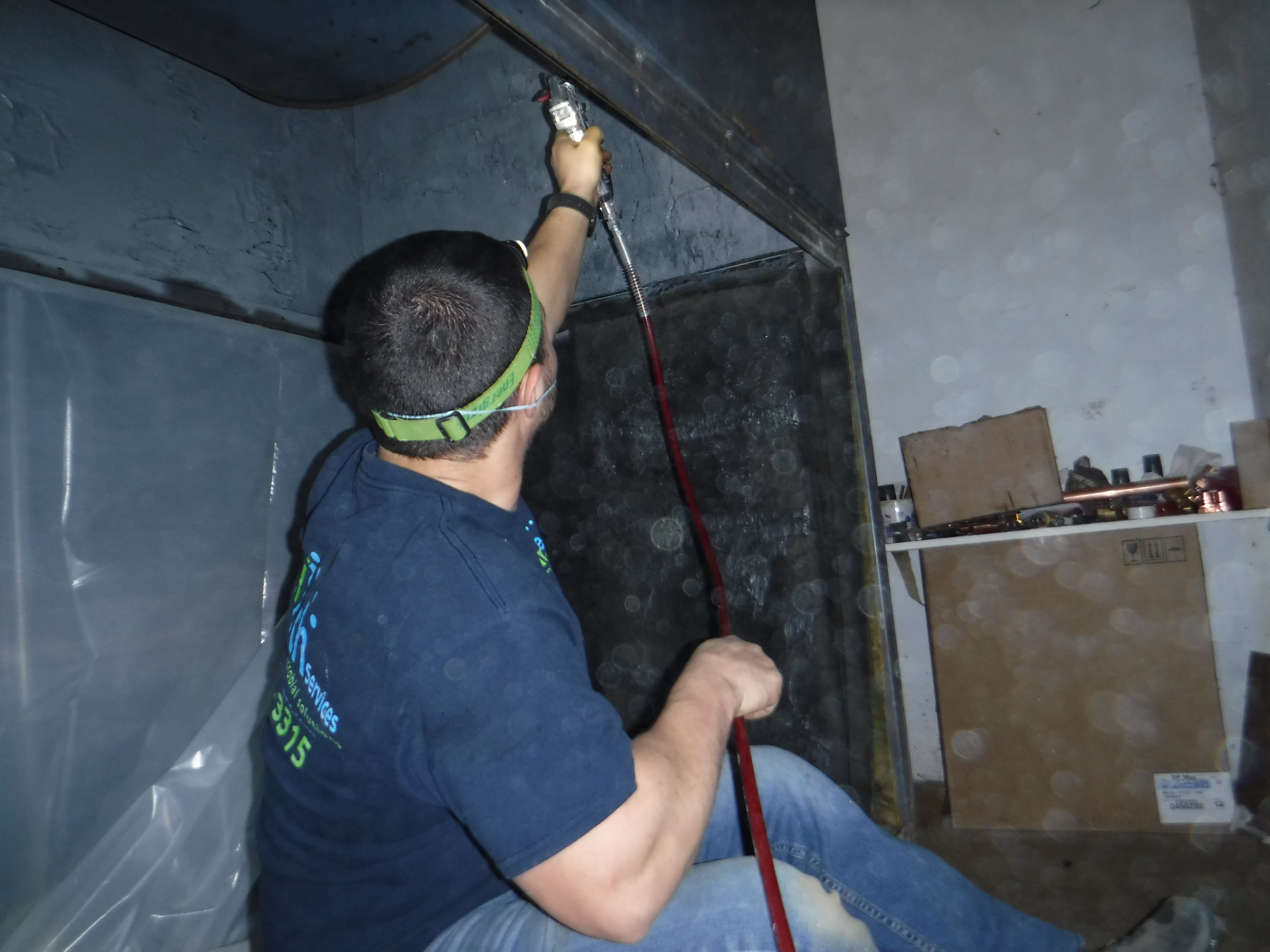
Kitchen Exhaust System Inspections
NFPA 96-Aligned Inspections for Commercial Kitchens
A kitchen exhaust system inspection is a documented check of the hood, grease filters, accessible ductwork, exhaust fan, and rooftop grease containment for grease buildup, on the intervals NFPA 96 sets by cooking volume. SaniTech Services inspects commercial kitchen exhaust systems across Long Island and New York City and reports whether the system needs cleaning, with photographs and a written scope when it does.
Commercial kitchen exhaust systems require regular inspection to maintain fire safety compliance and proper ventilation. SaniTech's certified technicians inspect hoods, fans, ducts, and grease containment systems — keeping your kitchen safe, code-compliant, and operating at full capacity.
What We Check
Each inspection covers the full exhaust path from the cooking line to the rooftop:
- Hood interior, grease filters, and filter tracks for grease loading and damage.
- Accessible duct interior, access panels, and horizontal runs where grease pools.
- Exhaust fan blades, housing, and belts; fan hinge kit and rooftop grease containment.
- Hood label and service records from the last cleaning.
- Signs of past fire, missing access panels, or duct sections that cannot be reached without added access.
When an Inspection Leads to a Cleaning
An inspection does not automatically mean a cleaning. If we find grease deposits on hood, duct, or fan surfaces, NFPA 96 requires the system to be cleaned, and we will provide a written scope and quote. If the system is clean, you receive a documented inspection report showing the date, condition, and next recommended inspection — and nothing else is sold.
Service Area
SaniTech Services is based in Hauppauge and serves Long Island, including Nassau and Suffolk counties, and New York City. Contact our team to discuss your property, system and scheduling needs.
Meet our team and review our credentials·Request a free quoteOur Process
System Walkthrough
We assess hoods, ductwork, fans, and grease containment components.
Grease Loading Review
Grease buildup is evaluated against NFPA 96 inspection intervals and the cleaning threshold: grease deposits on hood, duct, or fan surfaces.
Fan & Termination Check
Exhaust fans and rooftop terminations are inspected for proper operation and condition.
Findings & Risks
Identified issues are documented with severity and recommended remediation.
Inspection Report
A documented report is provided for fire department, insurance, and operational records.
Key Benefits
Frequently Asked Questions
How often should kitchen exhaust systems be inspected?
NFPA 96 sets inspection intervals by cooking volume: monthly for solid-fuel cooking, quarterly for high-volume operations, semi-annually for moderate-volume operations, and annually for low-volume operations. In New York City, commercial cooking exhaust systems must be inspected and cleaned at least every three months under the NYC Fire Code.
Do you provide compliance documentation?
Yes. Every inspection includes documentation suitable for fire department and insurance records.
Can inspection be combined with cleaning?
Yes. Many clients schedule inspection and cleaning together to streamline operations.
Get a Free Quote
Fill out the form and we'll respond within 24 hours.