Kitchen Exhaust & Hood Cleaning on Long Island & NYC
NFPA 96 Compliant Cleaning for Fire Safety & Health Codes
Kitchen exhaust cleaning, also called hood cleaning, is the removal of grease from the hood, filters, ductwork, exhaust fan, and rooftop containment to bare metal on all accessible surfaces. SaniTech Services performs it for restaurants and institutional kitchens across Long Island and New York City under NFPA 96 and, in the five boroughs, the New York City Fire Code.
SaniTech Services cleans exhaust systems for restaurants, commercial kitchens, hospitals, schools, and institutional food service throughout Nassau and Suffolk counties and all five boroughs of New York City. Every cleaning includes before-and-after photos, a dated service report noting any inaccessible areas, and a dated hood label so your fire marshal, health inspector, and insurer can see when the system was last serviced.
NFPA 96 (National Standard)
NFPA 96, the Standard for Ventilation Control and Fire Protection of Commercial Cooking Operations, requires the exhaust system to be inspected for grease buildup by a trained, qualified, and certified person at intervals set by the type and volume of cooking. The inspection interval is not a cleaning schedule: cleaning is required whenever the inspection finds the hood, duct, or fan contaminated with grease deposits, and the contaminated portions must be cleaned by a trained, qualified, and certified company. The local authority having jurisdiction can be stricter, and in New York City it is.
- Solid-fuel cooking operations: inspect monthly.
- High-volume operations such as 24-hour cooking, charbroiling, or wok cooking: inspect quarterly.
- Moderate-volume operations: inspect semi-annually.
- Low-volume operations such as churches, day camps, seasonal businesses, and senior centers: inspect annually.
- After cleaning, NFPA 96 requires a written report noting any areas that could not be cleaned, and a label on the hood showing the company name, the date, and the areas cleaned.
Kitchen Exhaust Cleaning Rules in New York City
The New York City Fire Code is stricter than the national standard. FDNY requires commercial cooking exhaust systems in the five boroughs to be inspected and cleaned at least once every three months, and more often where grease accumulates faster. Grease filters must be cleaned at least monthly.
The cleaning itself must be performed by a holder of an FDNY W-64 (or P-64) Certificate of Fitness employed by an FDNY-approved Commercial Cooking Exhaust System Servicing Company, or by a premises-specific F-64 Certificate of Fitness holder running an in-house program. Cleaning records must be kept on the premises for FDNY inspection. Ask any vendor to show its current FDNY company approval and its technicians' Certificates of Fitness before scheduling.
Long Island (Nassau & Suffolk) Rules
FDNY rules stop at the city line. Kitchens in Nassau and Suffolk counties follow the New York State Uniform Fire Prevention and Building Code, which adopts the NFPA 96 inspection intervals above, enforced by the county or town fire marshal and local fire inspectors rather than FDNY. Insurers and landlords on Long Island often write a quarterly or semiannual cleaning schedule into the policy or lease, so check both before assuming the code minimum is enough.
What You Receive After Every Cleaning
Documentation is part of the service, not an add-on. After each cleaning you receive:
- Before-and-after photographs of the hood, duct interior, and fan.
- A written service report listing the date, scope, areas cleaned, and any inaccessible areas.
- A dated label on the hood identifying SaniTech and the areas cleaned, as NFPA 96 requires.
- Records suitable for your fire inspector, health inspector, insurer, and landlord.
Service Area
SaniTech Services is based in Hauppauge and serves Long Island, including Nassau and Suffolk counties, and New York City. Contact our team to discuss your property, system and scheduling needs.
Meet our team and review our credentials·Request a free quoteOur Process
Pre-Cleaning Inspection
We assess the entire exhaust system, document current conditions, and identify any maintenance concerns.
Surface Protection
Kitchen equipment and surfaces are covered and protected before cleaning begins.
Degreasing & Scraping
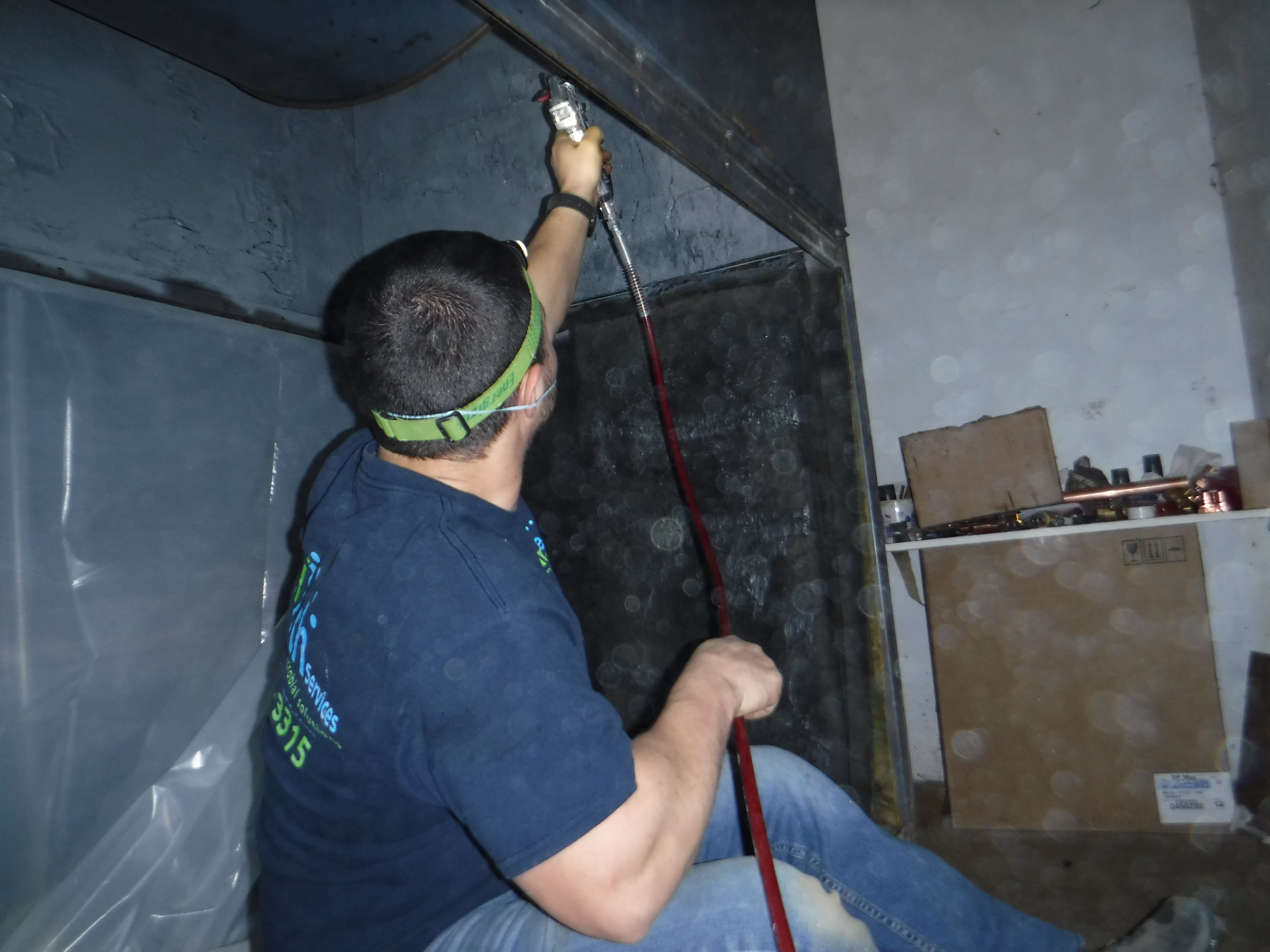
All accessible interior surfaces of the hood, ductwork, and fan are cleaned using professional-grade degreasers and hand scraping.
Fan & Rooftop Unit
Exhaust fans and rooftop units are cleaned, inspected, and tested for proper operation.
Documentation
Before-and-after photos and a compliance certificate are provided for your fire department and insurance records.
Key Benefits
Frequently Asked Questions
How often do restaurants in NYC need hood cleaning?
At least once every three months. The New York City Fire Code requires commercial cooking exhaust systems to be inspected and cleaned at least quarterly, and more often when grease builds up faster, with grease filters cleaned at least monthly. In NYC the cleaning must be performed by a W-64 or P-64 Certificate of Fitness holder employed by an FDNY-approved Commercial Cooking Exhaust System Servicing Company.
How often does NFPA 96 require kitchen exhaust inspections?
It depends on cooking volume. NFPA 96 requires inspection for grease buildup monthly for solid-fuel cooking, quarterly for high-volume operations such as 24-hour, charbroiling, or wok cooking, semiannually for moderate-volume operations, and annually for low-volume operations such as churches, day camps, seasonal businesses, and senior centers. When an inspection finds grease deposits, the contaminated portions must be cleaned by a trained, qualified, and certified company, and the local authority can require more.
Do Long Island restaurants have to follow FDNY hood cleaning rules?
No. FDNY jurisdiction ends at the New York City line. Restaurants in Nassau and Suffolk counties follow the New York State Uniform Fire Prevention and Building Code, which adopts NFPA 96 inspection intervals, enforced by the local fire marshal and town or village fire inspectors. Your insurer or landlord may still set a stricter schedule in the lease or policy.
What documentation do I get after a kitchen exhaust cleaning?
A dated service report with before-and-after photos documenting what was cleaned and any inaccessible areas, plus a dated label on the hood identifying the company and the areas cleaned, as NFPA 96 requires. Keep the report for your fire marshal, health inspector, insurer, and landlord; it is the record they ask for after a fire or during an inspection.
Can hood cleaning be done overnight or on weekends?
Yes. Kitchen exhaust cleaning is almost always scheduled after the last service, overnight, or on a closed day so the line is never down during business hours. The crew protects cooking equipment and surfaces before degreasing, and the kitchen is ready for the next shift. Evening, overnight, and weekend slots are available across Long Island and the five boroughs.
What parts of the exhaust system are cleaned?
Everything from the cooking line to the roof: the hood interior and exterior, grease filters and filter tracks, accessible ductwork and access panels, the exhaust fan blades and housing, and rooftop grease containment. All accessible surfaces are cleaned to bare metal, and any section that cannot be reached without added access panels is noted on the service report.
Get a Free Quote
Fill out the form and we'll respond within 24 hours.