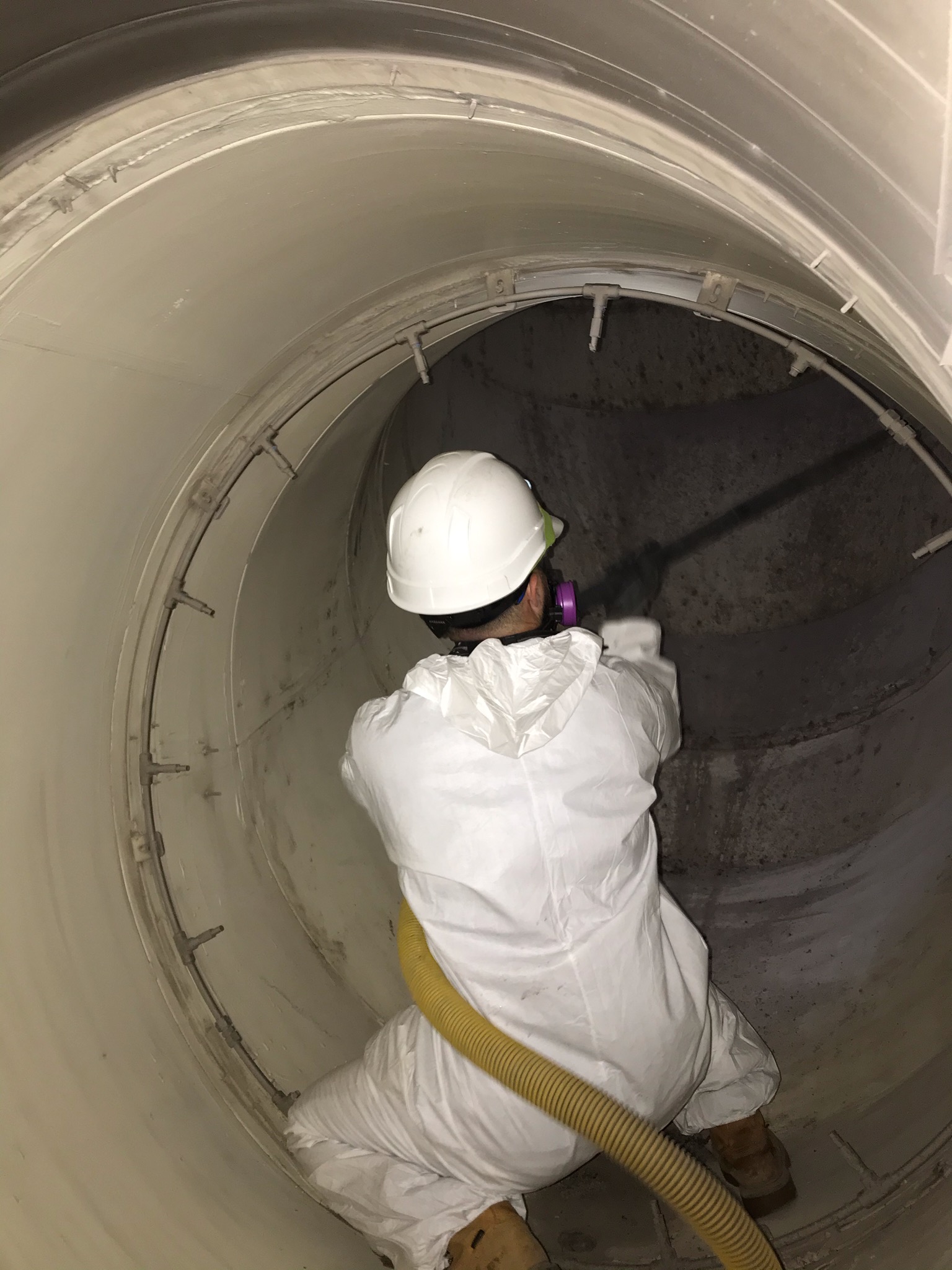
HVAC mold cleaning experts on Long Island
NADCA-Standard Inspection & Cleaning for Long Island and NYC
Finding mold in your HVAC system is unsettling, mostly because you can't tell what it's touching. Air moves through those ducts all day, so it makes sense to want it handled quickly and properly. As HVAC mold cleaning experts, we inspect the system and clean mold and other buildup off duct, coil, and air handler surfaces for homes and commercial buildings across Long Island and New York City.
This page covers what we look for, what cleaning can and can't fix, and what to do first if you suspect mold in your air ducts.
Signs of mold in air ducts on Long Island
Much of a duct system is out of sight, so mold isn't always easy to spot. These are the things people usually notice first:
- A musty or earthy smell when the system starts up
- Visible growth on registers, grilles, or around vents
- Moisture or condensation near the air handler, coil, or drain pan
- Water damage after a leak, a flood, or a roof problem
- Dust or debris blowing out of the supply registers
None of these proves mold on its own. Something that looks like mold may not be, and the EPA points out that only an expert can say for sure, sometimes with lab analysis. An inspection is how you find out.
Why mold shows up in HVAC systems
Mold needs moisture. In an HVAC system, that usually means a leaking coil, a drain pan that isn't draining, or water that got in from a roof leak or flood.
That's why cleaning alone isn't the whole answer. If the moisture source stays, the mold tends to come back.
How our HVAC mold cleaning works
We follow NADCA's ACR standard, and we inspect before we clean. If the inspection shows the system needs it, a whole-system air duct cleaning looks like this:
- We inspect the system and document what we find with photos
- We set up containment and HEPA-filtered negative-air machines, so loosened material is captured instead of spread through the building
- We agitate the duct surfaces with rotary brushes, air whips, or skipper lines
- We clean the whole system: supply and return ducts, the air handler interior, the coil, the drain pan, the blower, registers, and grilles
- We close the access openings properly and return components to working condition
- You get before-and-after photos and a written report
Our ASCS-certified specialists do the work, and we have a Certified Ventilation Inspector on staff. If an inspection shows your system doesn't need cleaning yet, we'll say so.
HVAC mold remediation on Long Island: what cleaning covers and what it doesn't
Some situations need more than a duct cleaning. Being upfront about that is part of doing this work right:
- Active moisture. A leaking coil, drain pan, or roof has to be fixed first, or the contamination returns.
- Mold in the building itself, like walls, ceilings, or other occupied spaces, that isn't coming from the HVAC system. That's a building issue, not a duct cleaning job.
- Wet or moldy insulated ducts. The EPA says that insulation can't be cleaned effectively and should be removed and replaced.
New York also regulates larger mold projects. Under Article 32 of the State Labor Law, mold remediation or assessment covering more than ten square feet needs a licensed mold professional. If your property needs that, we'll tell you plainly, and the NYS Department of Labor has a search tool for licensed mold contractors.
Mold in air ducts: homes and commercial buildings
Homes
Most homes have one or two air handlers, and a typical residential cleaning takes three to five hours. Common reasons people call include a leak or flood, renovation dust, visible debris at the registers, or moving into an older home.
Commercial buildings
Offices, schools, and medical facilities have multiple air handlers and rooftop units. We schedule around occupancy, with nights, weekends, and breaks, and use containment so dust stays away from staff and tenants. Reports are written for facility managers and insurers. Our commercial duct cleaning page has the details.
What to do if you suspect mold in your ducts
A sensible order of operations looks like this:
- Look for the water source first, and tell us what you've found
- Take photos of anything visible at registers or around the equipment
- Schedule an inspection before anyone starts cleaning
- Ask any company to show you the mold they say exists. The EPA recommends it
- Get the scope of work in writing
A system inspection also tells you whether the coil needs attention. Coil cleaning is its own service, and duct sealing is available if the inspection finds leaky sections.
Why Long Island customers call us
We've been doing this since 2011 and have completed more than 2,500 projects. SaniTech Services is a NADCA member, our specialists are ASCS certified, and we're a NYS and NYC WBE-certified business. We work in Nassau County, Suffolk County, and all five boroughs of New York City. Our guide to choosing a NADCA-certified duct cleaner covers what to ask any company before you hire.
Get a free quote for HVAC mold cleaning on Long Island
Call us at (631) 656-3315 or request a quote online. Tell us what you've noticed, what kind of property it is, and whether there's been any water damage. We'll take it from there.
Service Area
SaniTech Services is based in Hauppauge and serves Long Island, including Nassau and Suffolk counties, and New York City. Contact our team to discuss your property, system and scheduling needs.
Meet our team and review our credentials·Request a free quoteOur Process
Inspection & Photos
We inspect the system and document what we find with photos.
Containment & Negative Air
We set up containment and HEPA-filtered negative-air machines, so loosened material is captured instead of spread through the building.
Agitation
We agitate the duct surfaces with rotary brushes, air whips, or skipper lines.
Whole-System Cleaning
We clean supply and return ducts, the air handler interior, the coil, the drain pan, the blower, registers, and grilles.
Closeout & Report
We close the access openings properly, return components to working condition, and give you before-and-after photos and a written report.
Key Benefits
HVAC mold cleaning: common questions
How do I know if I have mold in my air ducts?
A musty smell, visible growth, or a history of water damage are all warning signs. Only an inspection, and sometimes lab testing, can confirm it.
Can mold in air ducts be cleaned?
Often, yes. The EPA says to consider cleaning when there's substantial visible mold growth inside hard-surface ducts. Moldy insulated ducts usually need replacement, and any moisture problem has to be fixed first.
Do you serve both Nassau and Suffolk County?
Yes. We're based in Hauppauge and serve Nassau County, Suffolk County, and all five boroughs of New York City.
How much does HVAC mold cleaning cost?
It depends on the size of the system, how easy it is to reach, and what the inspection finds. Quotes are free with no obligation, and we put the scope in writing.
Get a Free Quote
Fill out the form and we'll respond within 24 hours.